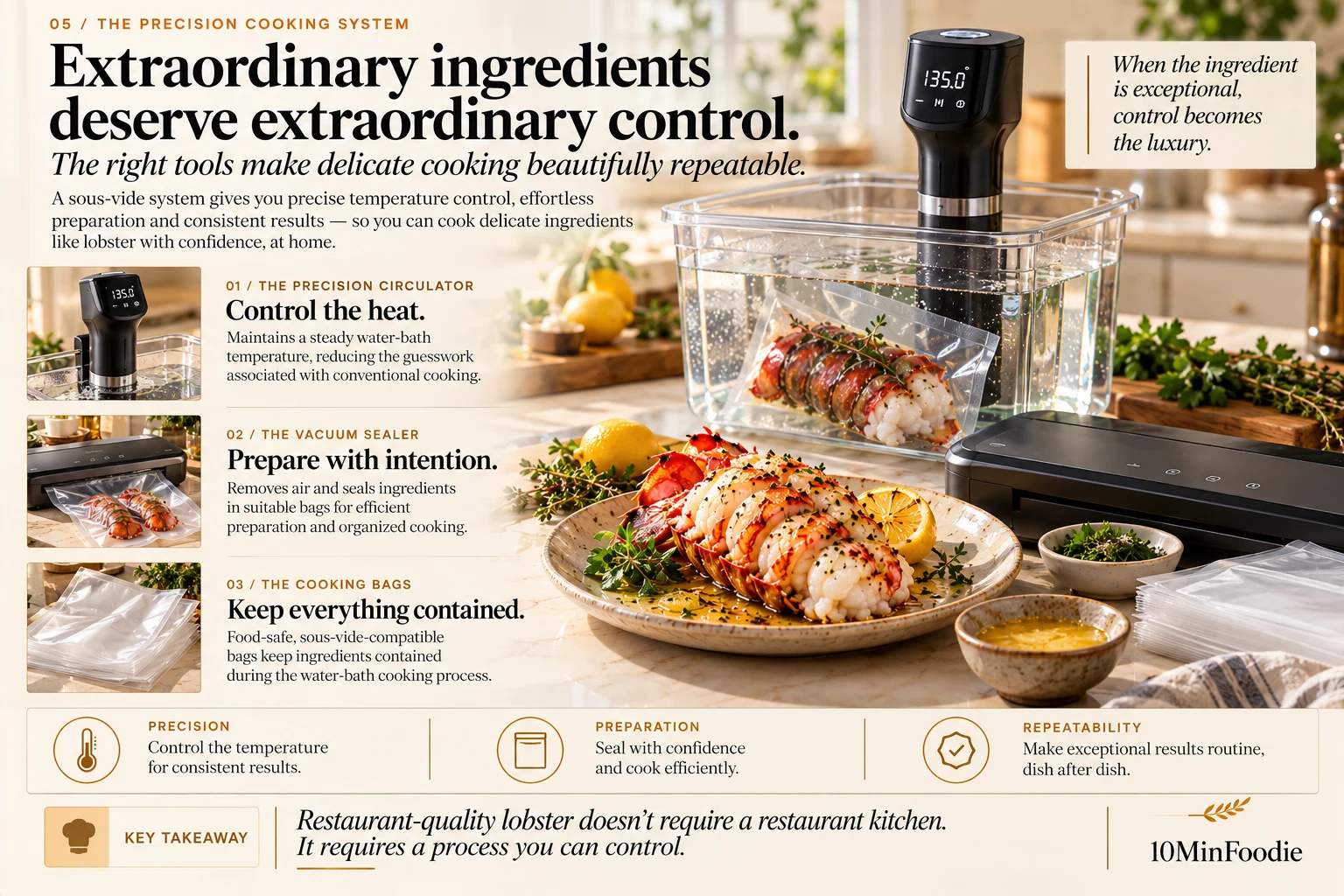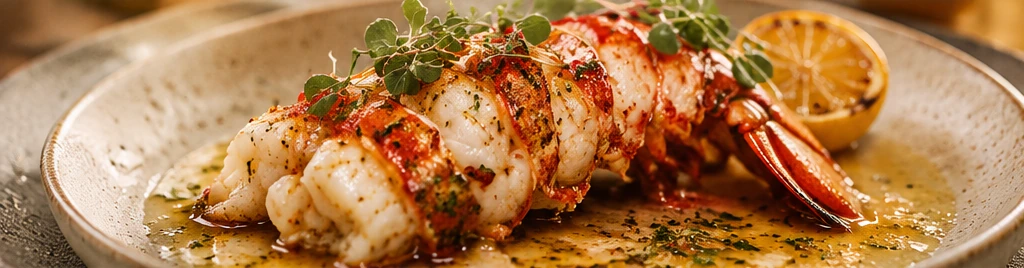
Why Lobster Turns Rubbery
And how gentle, controlled heat protects its delicate texture.
Lobster is a remarkable ingredient, but it is unforgiving. A little too much heat can turn sweet, tender meat into something tight and chewy. Here's what changes inside the lobster—and how to cook with more control.
An expensive margin for error.
Tender one moment. Rubbery the next.
Lobster tail is lean and cooks quickly. In a boiling pot or over a hot grill, the outside can overcook before you realize it. As muscle proteins tighten and moisture escapes, that prized delicate bite becomes firm and chewy.
The solution isn't a complicated recipe. It's more deliberate control over the heat.
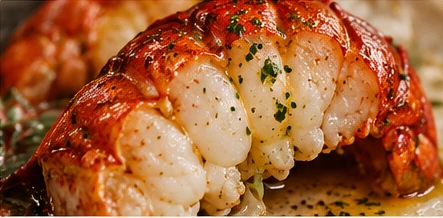
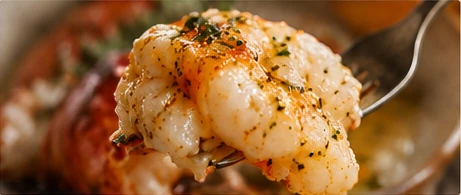
Heat changes everything.
Protein, moisture, texture.
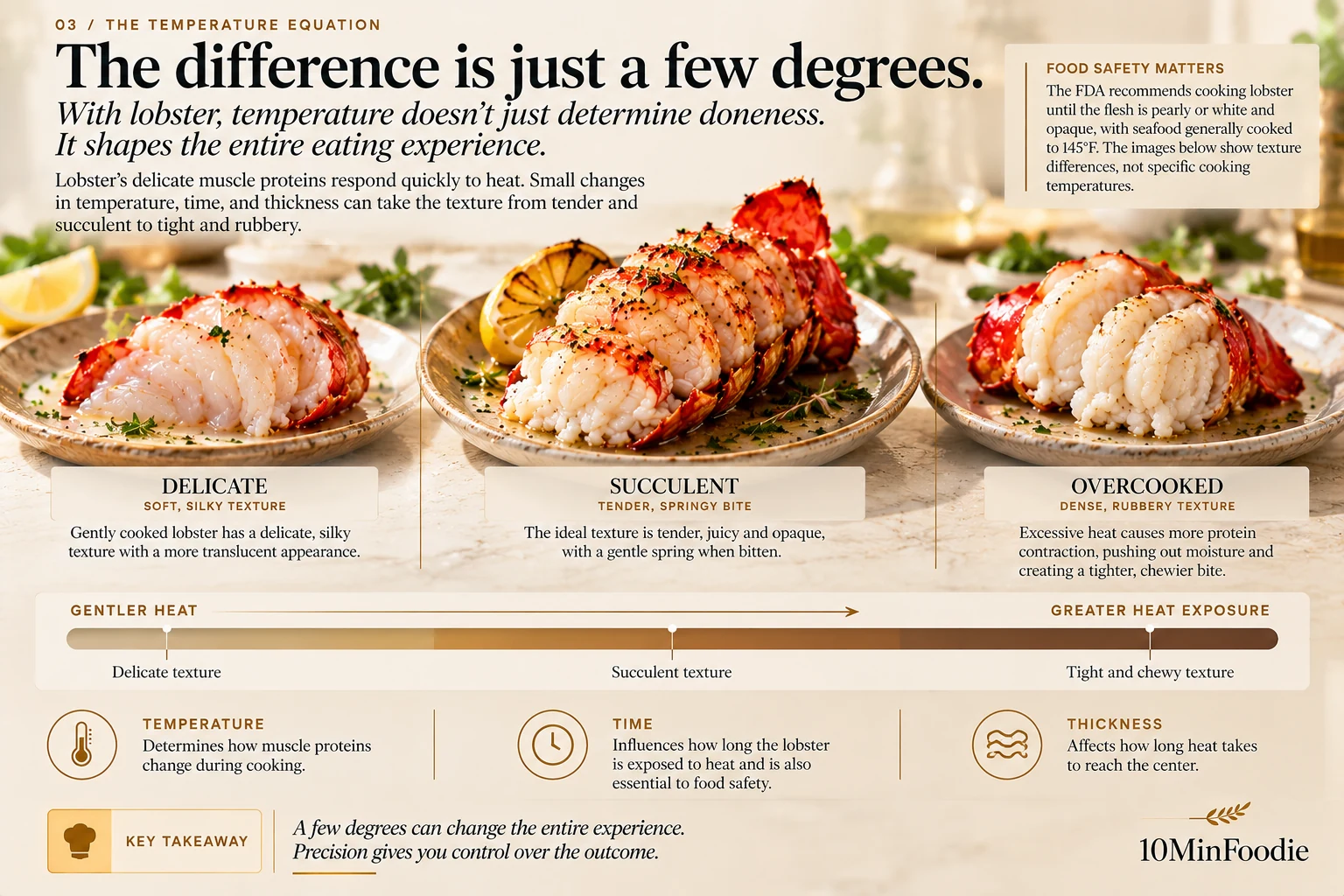
As lobster warms, its muscle proteins unfold and set. With excessive heat or cooking time, the muscle fibers contract more tightly, pushing out moisture and producing a firmer, less succulent texture.
Gentler, more even heating helps you stop closer to the texture you actually want. Precision is about controlling the process—not promising that every tail cooks identically.
Understand temperature.
Master texture.
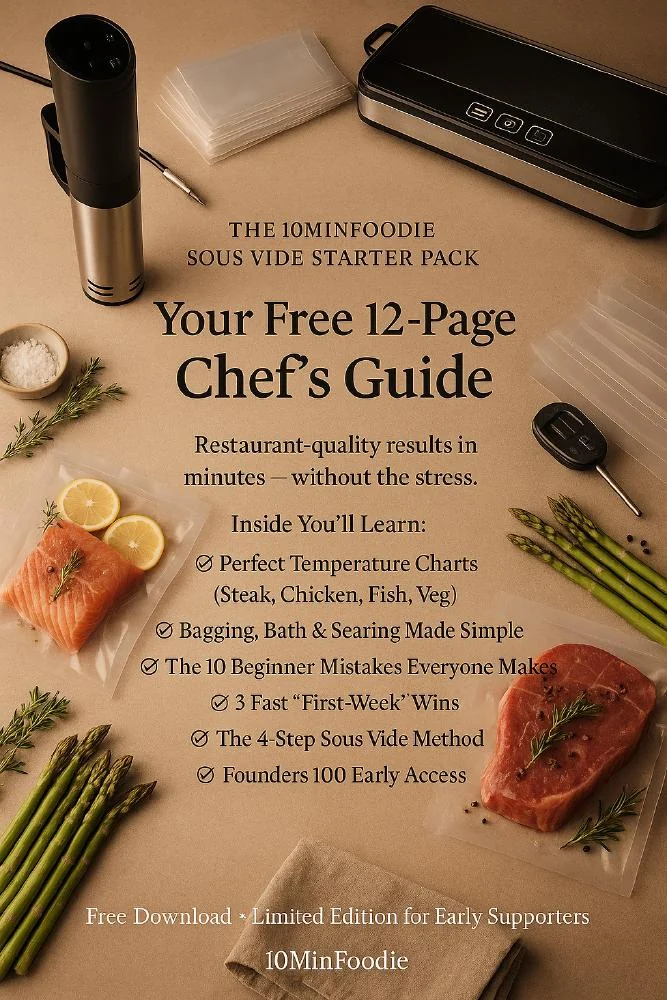
Get our free Temperature & Texture Field Guide. Explore the relationship between heat, time, tenderness and the food on your plate.
Free cooking guide.
Small temperature changes can make a big difference.
This visual explores how texture responds to heat. Use validated cooking guidance for seafood safety.
Give the heat a limit.
Gentle cooking. A beautiful finish.
Food safety: seafood should be cooked using validated time-and-temperature guidance. The water-bath setting is not the same as the temperature at the center of the food; size and starting temperature affect cooking time. The FDA's general consumer recommendation is 145°F (63°C) for fish and shellfish.
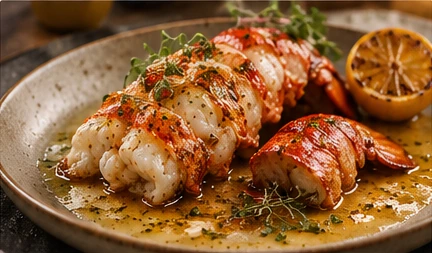
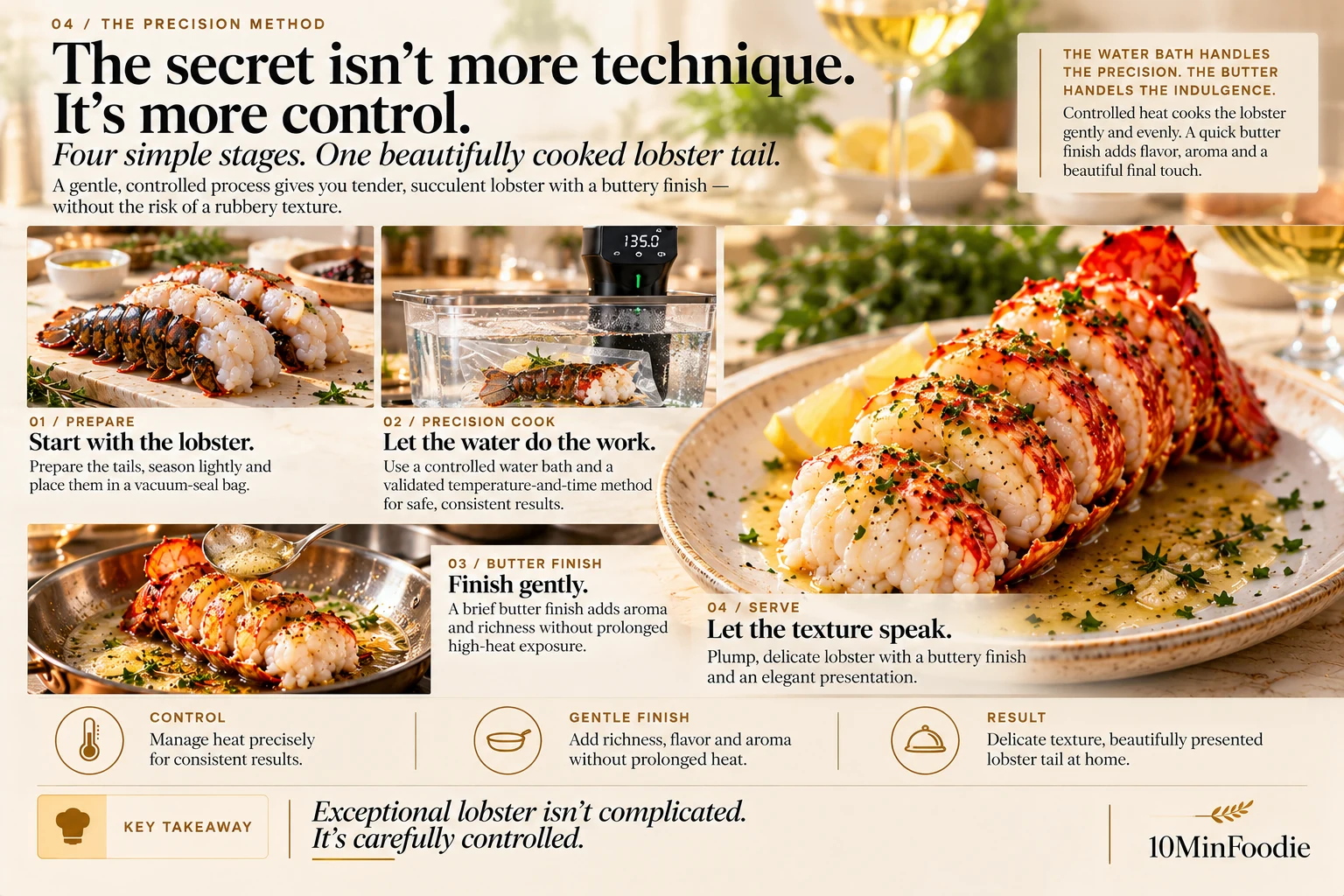
Control the cook. Finish with care.
A steady water bath and a thoughtful finish play different roles in the final dish.
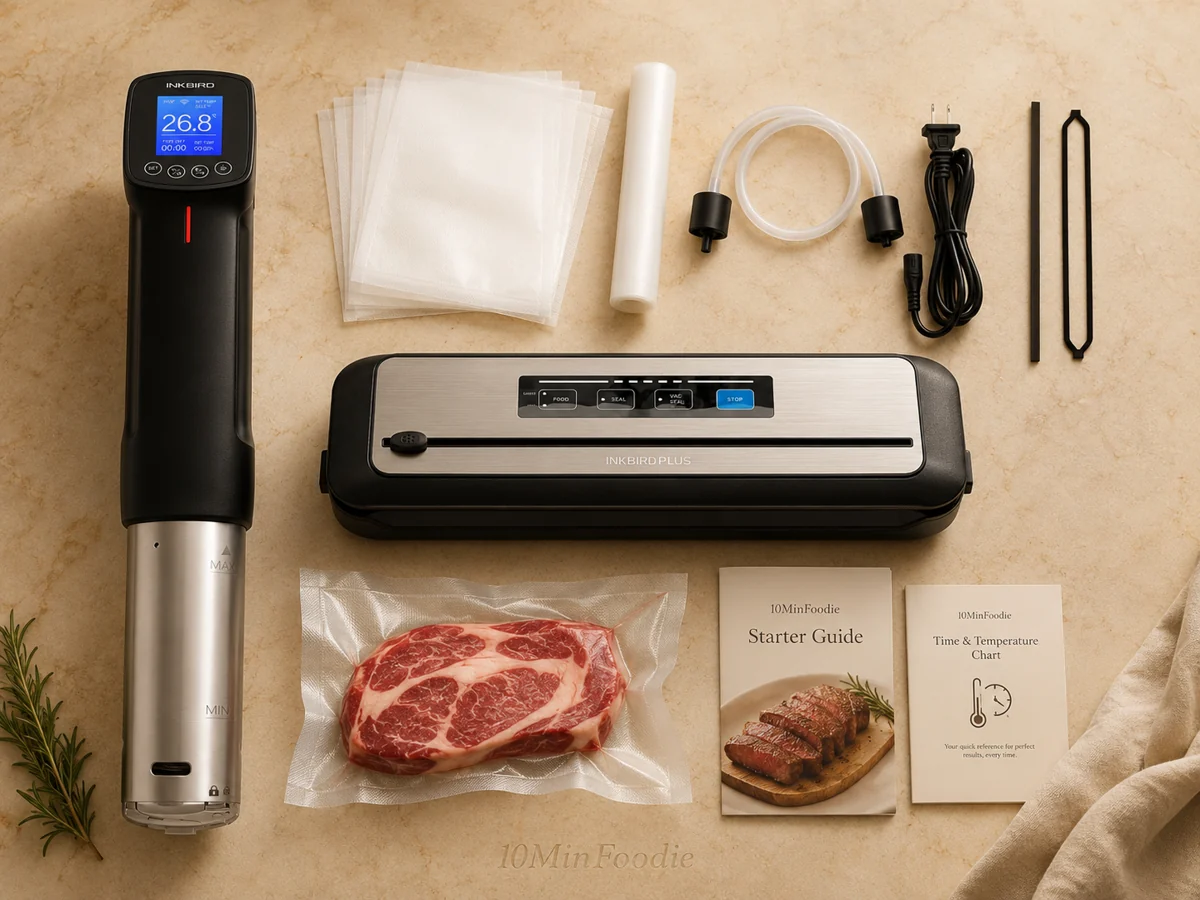
The 10MinFoodie Precision Cooking System
Sous vide circulator + vacuum sealer + bags, with educational guides to help you put precision cooking into practice.
From lobster and chicken to short ribs, learn to control the variables that shape the finished dish.
Explore the Bundle →Explore the complete cooking system and current offer.
The tools that support the technique.
The circulator, sealer and suitable bags work together to make precision cooking more approachable.