The precision cooking series / No. 04

Fish Tells You What Heat Did to It.

Same fish. Different results.
Texture doesn’t lie.

10MinFoodie   |   Precision cooking   |   8 min read
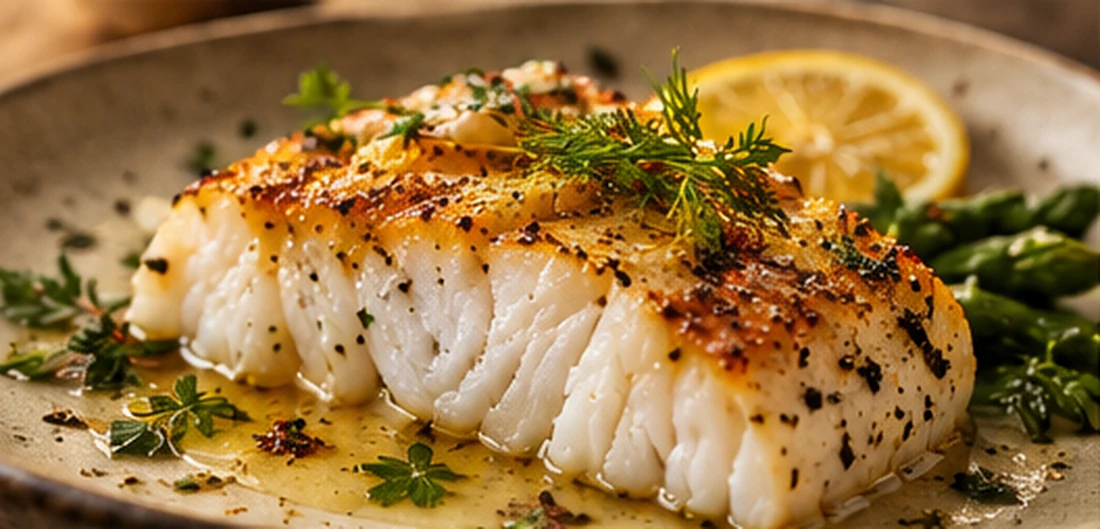
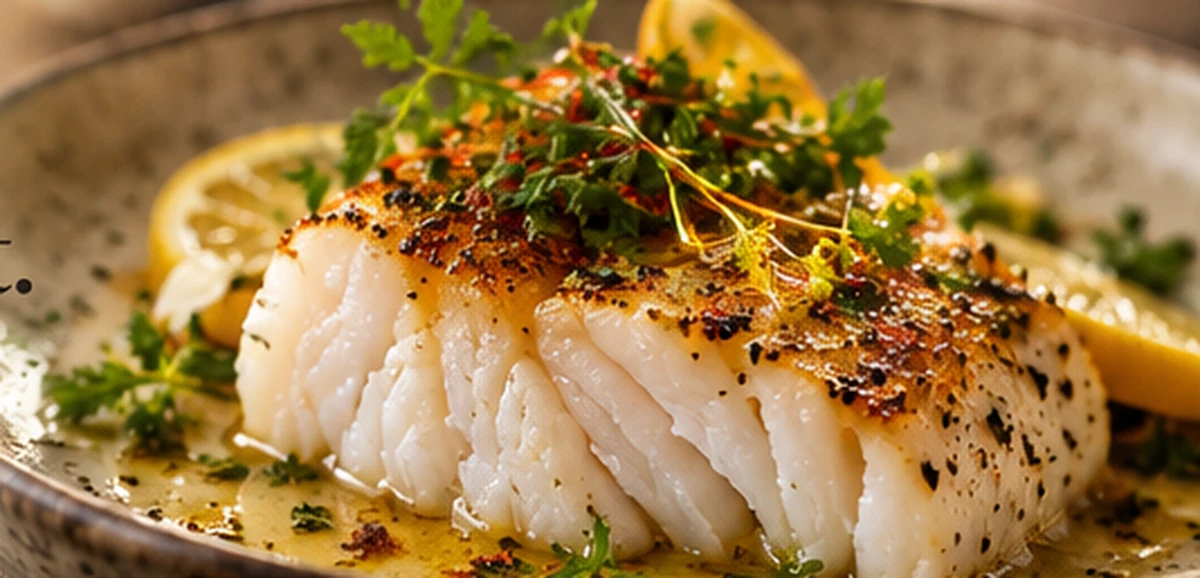
Golden herb-butter cod with delicate white flakes
Read the texture

The same fish.
Three different results.

Fish is delicate. A few degrees—and the time spent at that temperature—can change how it feels on the fork. Here's how to recognize the difference between translucent, just-set and overcooked cod.

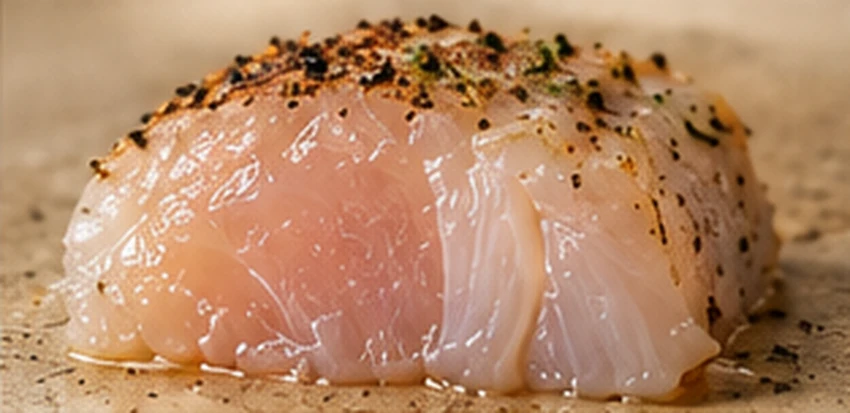
Translucent-looking cod showing a softer, less-set texture
01

Underdone

Translucent. Not ready.

  • Translucent center
  • Firmer, less-separated muscle layers
  • Flakes resist separating
  • Needs additional cooking for conventional doneness
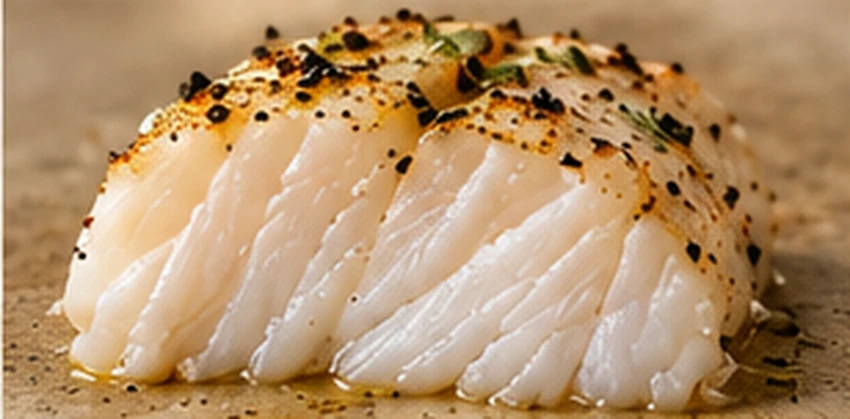
Just-set cod showing moist, broad flakes
02

Just-set

Succulent. Delicate.

  • More opaque appearance
  • Large, tender flakes
  • Moist and delicate
  • A silky bite when properly cooked
Overcooked cod with tighter, dry-looking flakes
03

Overcooked

Dry. Chalky. Tough.

  • Very opaque, drier appearance
  • Tighter, smaller flakes
  • Chalkier texture
  • Less of the fish’s delicate character

These photographs illustrate texture differences; appearance alone cannot establish whether seafood is safe to eat.

The science

Doneness isn’t just a temperature.

It’s a texture decision.

As cod heats, its proteins unfold and set. With more heat and time, the muscle fibers tighten and release moisture. The result shifts from soft and translucent toward flaky—and, eventually, dry.

Precision cooking makes temperature easier to control. But thickness, starting temperature, cooking time and food safety still matter.

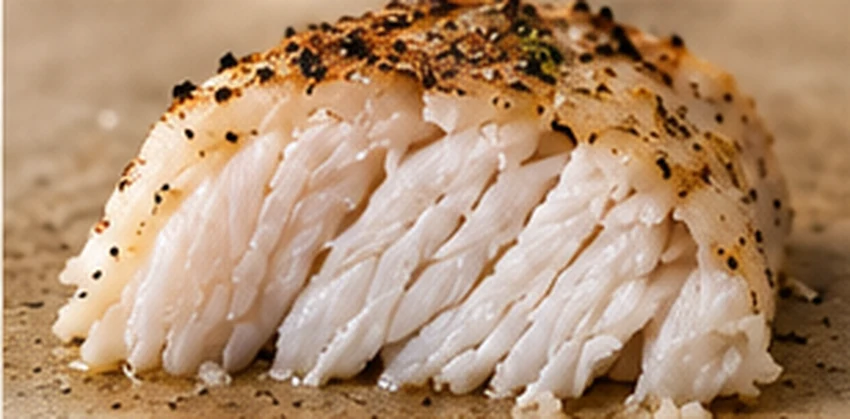
Close view of moist, just-set cod flakes
Free cooking guide

Temperature & Texture Field Guide

Discover how time and temperature shape the foods you cook—from delicate fish to steak and slow-cooked short ribs.

Free cooking guide.

10MinFoodie Temperature and Texture Field Guide cover
The method

Gentle heat. Beautiful flakes.

Consistent cooking starts with control.

1
Prepare the fish.Use properly stored fish, pat dry, season lightly and portion evenly.
2
Cook with precision.Follow a validated seafood recipe appropriate to the thickness and starting temperature. A water-bath setting alone does not establish safety.
3
Finish for flavor.A quick sear or warm herb butter adds richness without prolonged high heat.
4
Serve promptly.Enjoy the fish while the flakes are moist and delicate.

Food safety: the FDA recommends cooking finfish to 145°F (63°C), or until flesh is opaque and separates easily with a fork. Lower-temperature methods require validated time-temperature processes and suitable handling; they are not universally appropriate, especially for higher-risk diners.

Finished herb-butter cod on a ceramic plate with citrus
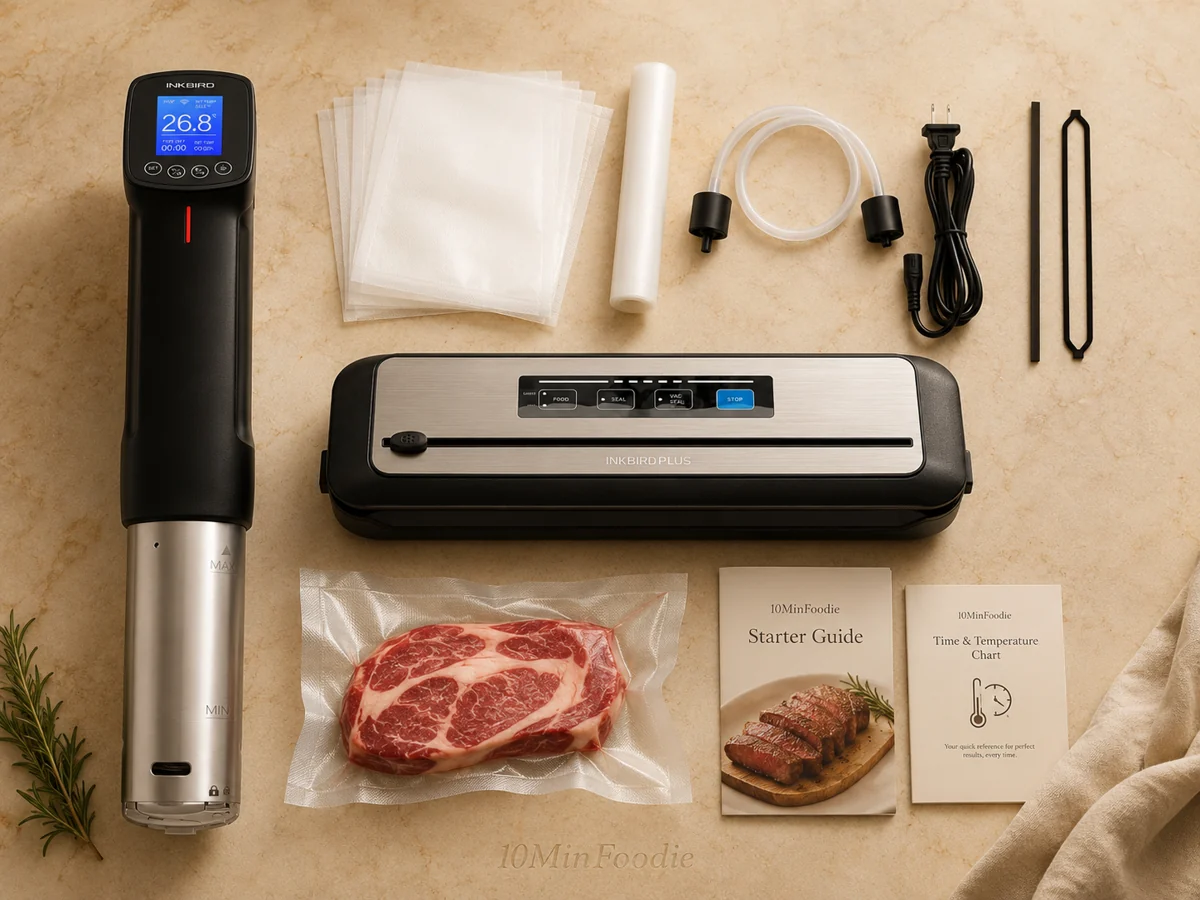
Sous vide circulator, vacuum sealer and precision cooking bundle
Precision at home

The 10MinFoodie Precision Cooking System

Sous vide circulator + vacuum sealer + bags, alongside educational guides to help you understand time, temperature and texture.

From cod and chicken to lobster and short ribs, learn to control the variables behind better cooking.

Explore the Bundle →